Floor Tile Ceramic Adhesive Thickness 60x60 Glazed Polished Tiles 600x600 Buy Glazed Polished
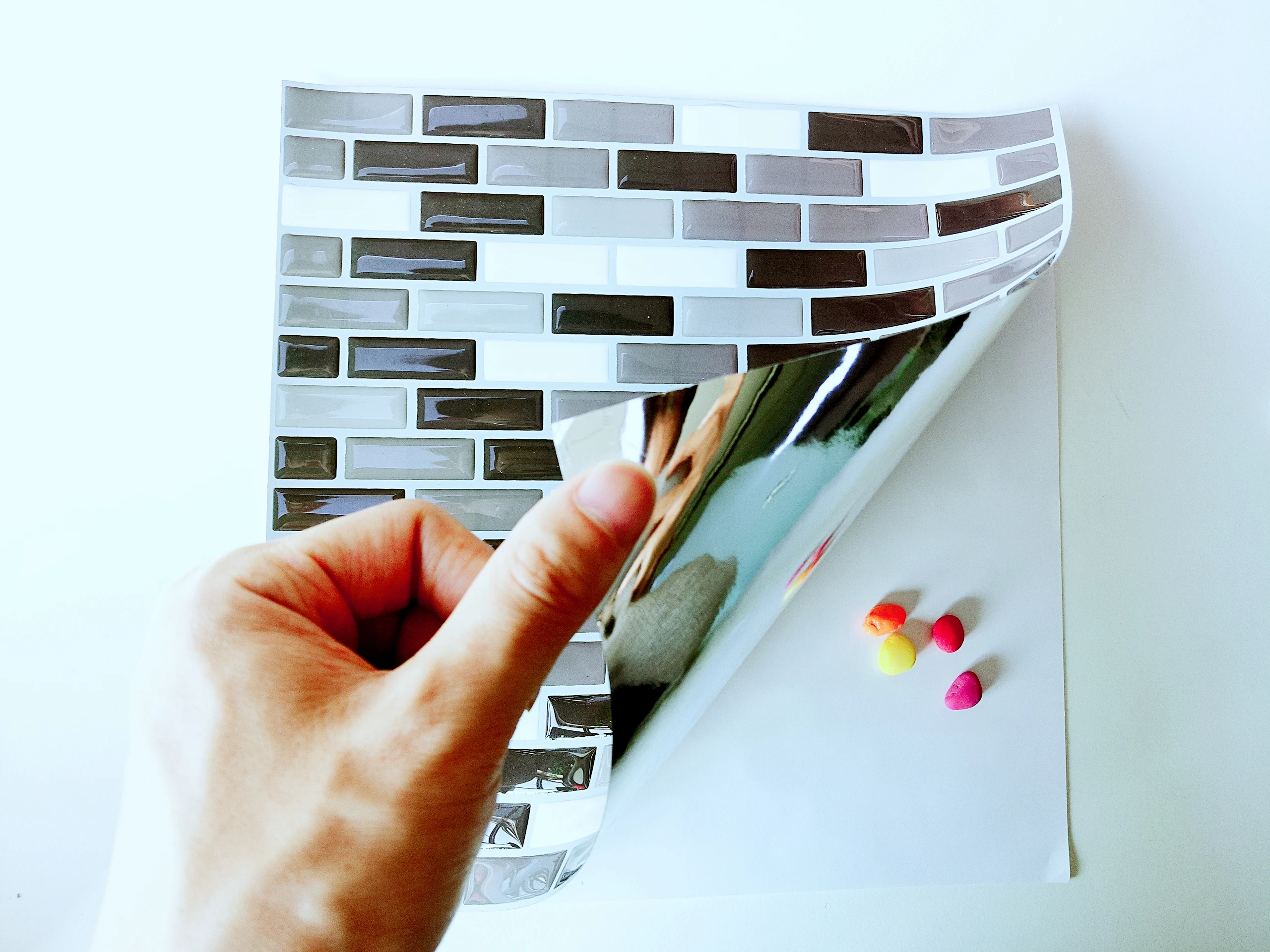
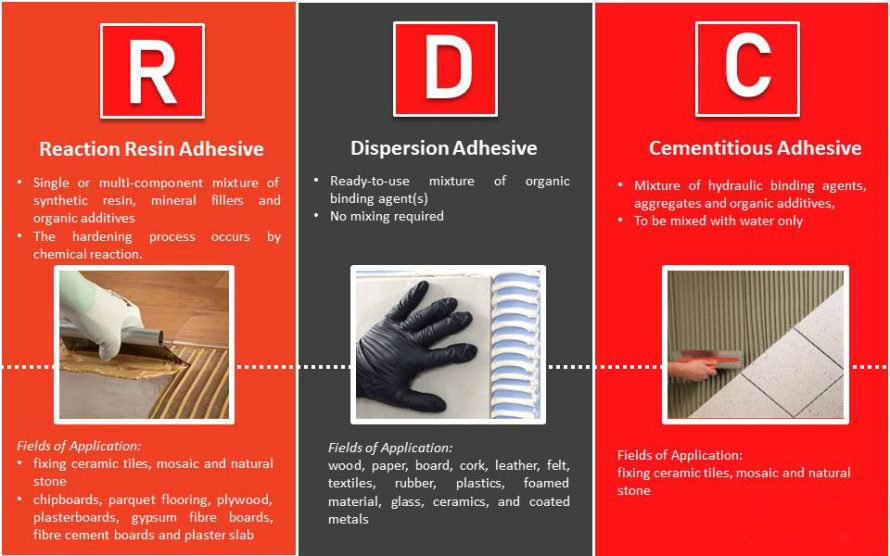
Thinset. Thinset mortar is the most common type of tile adhesive and works well on most types of tile, including ceramic, stone, and porcelain. Unmodified thinset is made of sand, cement, and water retention ingredients. Modified thinset uses the same ingredients but also includes liquid latex polymers. Pros:
Self Adhesive Floor Tiles Ash Gray Wood Woodtone SelfStick Adhesive Vinyl Floor

If tiling a wall, expect to use around 2-3kg per m2. This means you will be able to cover an area of around 6-10m2 with 20kg of tile adhesive. This will be enough to tile the length and width of a bathroom from the bath to ceiling. If you are tiling a floor you will need more adhesive per square metre. Expect to use around 4-6kg per m2 meaning.
Trowel Size Question HomeImprovement
On the downside, epoxy mortar is more expensive than thinset and has a strong smell while it cures. Additionally, epoxy mortar sets quickly. This can be a deficit because it provides only a short window of time to make changes. Pot life for most epoxy tile mortars is about 45 minutes.
25mm 30mm Thickness Floor Tile Sample Free Good Protective Puzzle Home Interlocking Rubber Gym
Thickness ≤ 40mm can take 1 day per mm to fully cured and matured; Thickness ≥ 40mm can take 2 days per mm; Type, size, and weight of tiles and area of application. The field of application is also another important factor to consider. Tiles such as ceramic, porcelain, mosaic, marble, granite, etc. have varying sizes, weights, materials.
Wood and Concrete Floor Adhesive Trade 16.23kg
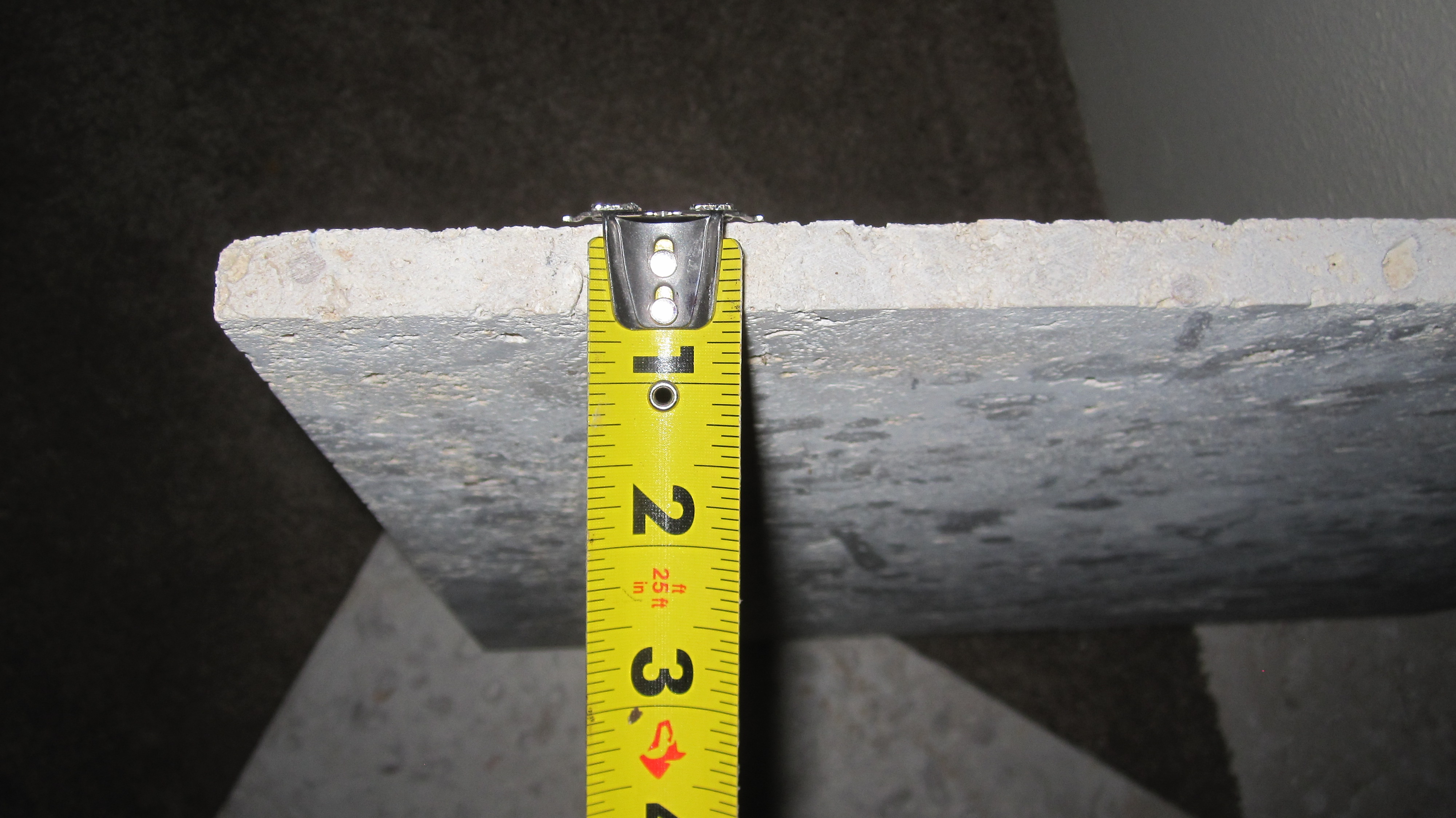
A tile designed specifically for the wall is often thinner than floor tiles as less durability is required. Typically wall tiles range from 6mm to 10mm in thickness. When considering the use of a tile trim, you need to take into account the thickness of the tile but also the depth of your adhesive bed. For example, if your tile is 8mm thick.
Grey Floor Tile Adhesive, Packaging Type Hdpe Bag at best price in Valsad

For this purpose, floor tiles have a thick adhesive bed underneath. This is not the case in wall tiling. Walls do not experience any weight or pressure; therefore, they require a smaller thickness of adhesive. The thickness of the adhesive for wall tiling should be at least 3/64″ (1mm) or 3/32" (2mm) for larger, heavier tiles.
This Is How Thick Tile Adhesive Should Be Interiors Place
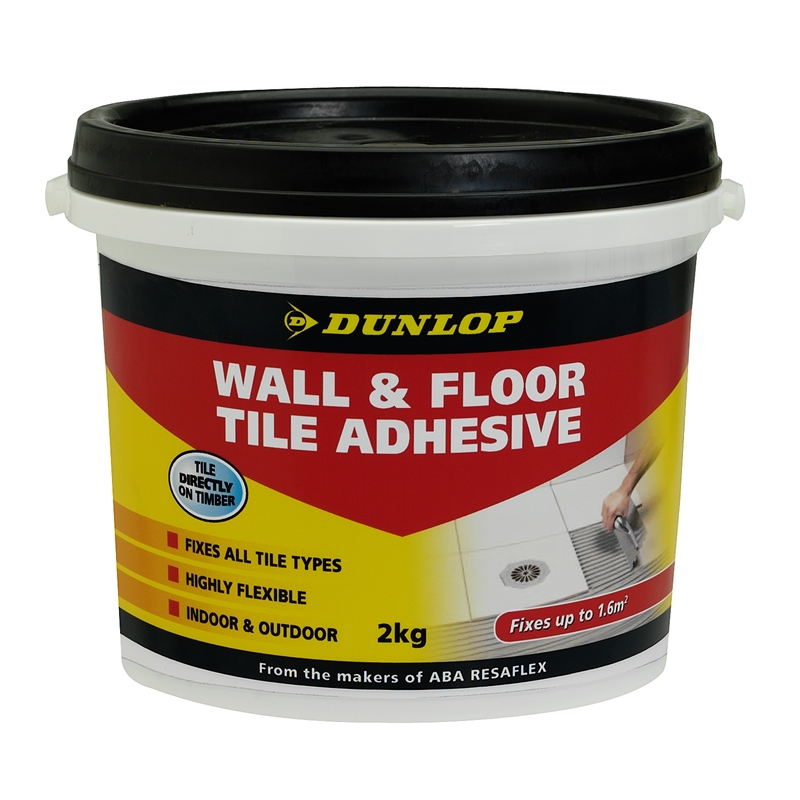
You'll find the approximate coverage of your adhesive on the product page. For example, a 20kg bag of UltraTile Pro Set wall and floor tile adhesive (powder) will cover approximately 4 to 5 square metres of tiles, at a bed thickness of 3mm (this is how thick the layer of adhesive is). The bed layer can be up to 12mm if needed.
Floor Tile Adhesive
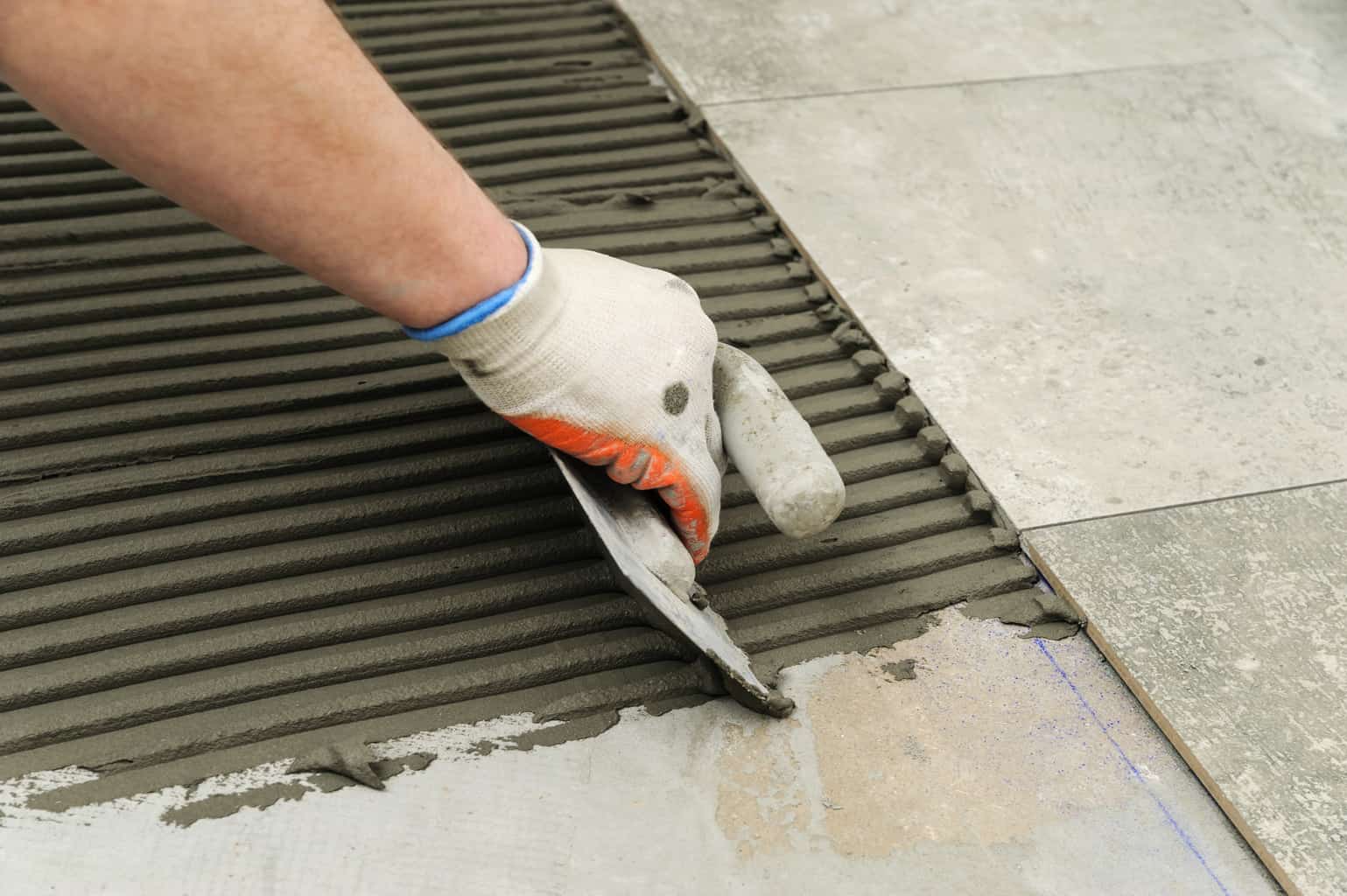
It typically comes in a thick glue-like paste, and is applied using a trowel. Depending on the size and type of tile, the thickness of the adhesive can vary significantly. For large tiles, the adhesive should be applied at a thickness of around 3 to 4 millimetres. For small tiles, the adhesive should be applied at a thickness of around 1 to 2.
Porcelain Floor Tile Adhesive Thickness Chart Viewfloor.co
After spreading a layer of adhesive onto the underlayment with a notched trowel, use the trowel's flat edge to apply a thin coat of adhesive to the back of a tile. Set the tile in place using firm, even pressure. Check your work by pulling the tile up. At least 80 percent should be covered with adhesive—or 95 percent for wet areas.
Flooring Thickness For Tile Carpet Vidalondon
Work in sections, roughly two to three tiles wide and high. Create thick ridges by flipping the trowel and scoring the adhesive with the square notches. Press the tile onto the wall, starting in the bottom left corner. Use a rubber mallet to tap the tile down so the adhesive grips. Repeat until the wall is complete.
How to level, tile and protect your internal areas ? Weber Middle East
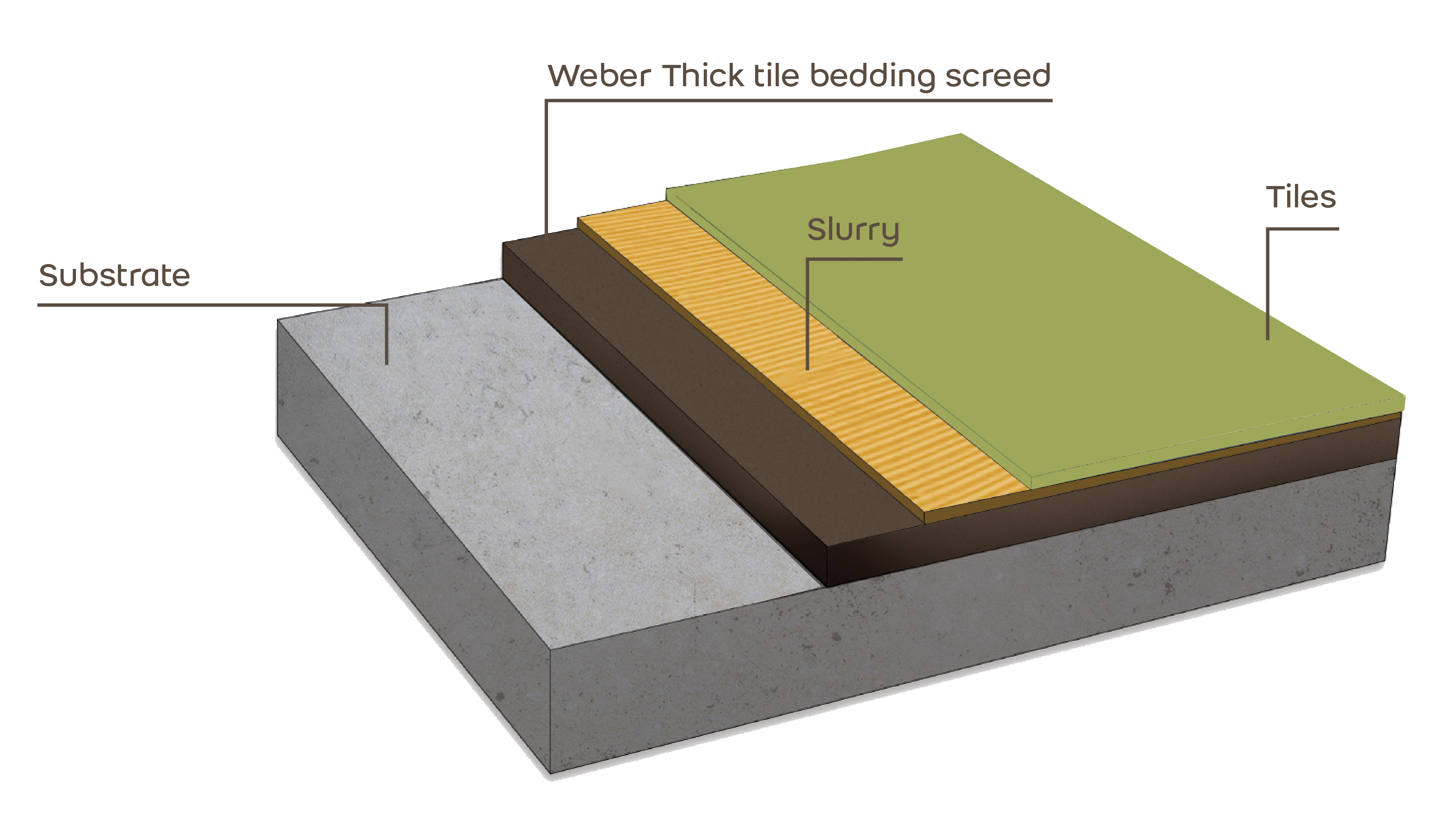
8mm U trowel. Up to 7 inch tiles. 10mm U trowel. Up to 10 inch tiles. 12mm U trowel. 12 inch tiles and larger. As you can see, the recommendations differ, which means there is no cookie cutter policy on how thick tile adhesive should be. Just don't apply too little and make sure that you press firmly enough.
Floor tiles self adhesive brick effect tile vinyl flooring kitchen eBay

The minimum thickness of the adhesive, even for small tiles, should not be less than 2 mm. The maximum thickness is more difficult. Experts note that for walls this indicator should not exceed 10 mm, and for floors - 15-20 mm. In the case of porcelain stoneware, which is laid on the floor, you can increase the thickness of the adhesive to.
Johnson Floor Tile Adhesive, 20 Kg, Bag at best price in Patna ID 2849749361488

To use the floor adhesive coverage calculator, enter the size of the flooring area to be tiled in square metres (m 2 ), the calculator will provide estimates for cement-based adhesive in Kilograms (kg) in the yellow result box below. Work out how much floor tile adhesive is required square metre (m2) with this floor tile adhesive calculator.
Higher Quality 6''x36''self Adhesive Pvc Vinyl Floor Tiles Wood Flooring Buy Wood Flooring
Consider the Tile Size - As mentioned earlier, the size of the tile can also affect the thickness. Larger tiles will require a thicker profile to prevent cracking and ensure durability. As a general rule, tiles that are larger than 12 inches should be at least 3/8 inch thick.
Floor Tile Adhesive Uk Vinyl Floor Tiles Self Adhesive Are Highly Practical And Norcros
When installing floor tiles, the adhesive thickness plays a crucial role in ensuring proper adhesion and support. The adhesive must be applied evenly and at a thickness that complements the tile to avoid issues such as cracking or lippage. Exploring the Standard Range of Floor Tile Thickness From 1/4 to 3/8 Inch
Floor Tile Mortar Thickness

Here are the essential steps to apply tile adhesive effectively: 1. Prepare the surface: Before applying the adhesive, ensure that the surface is clean, dry, and free from dust and debris. It is important to remove any loose paint, wallpaper, or old adhesive. A smooth and even surface ensures that the tiles adhere properly.