Poetry Oral on "My Last Duchess" English Year 12 QCE Thinkswap
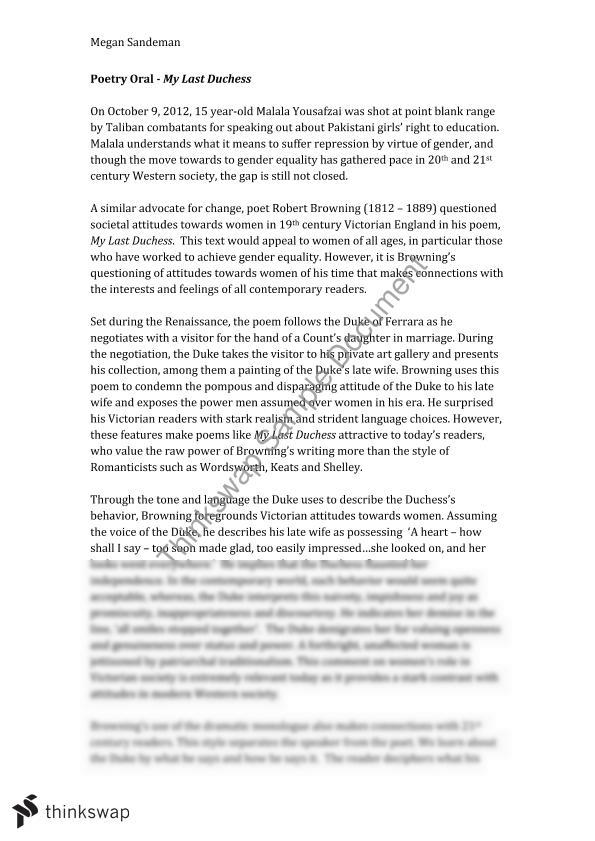
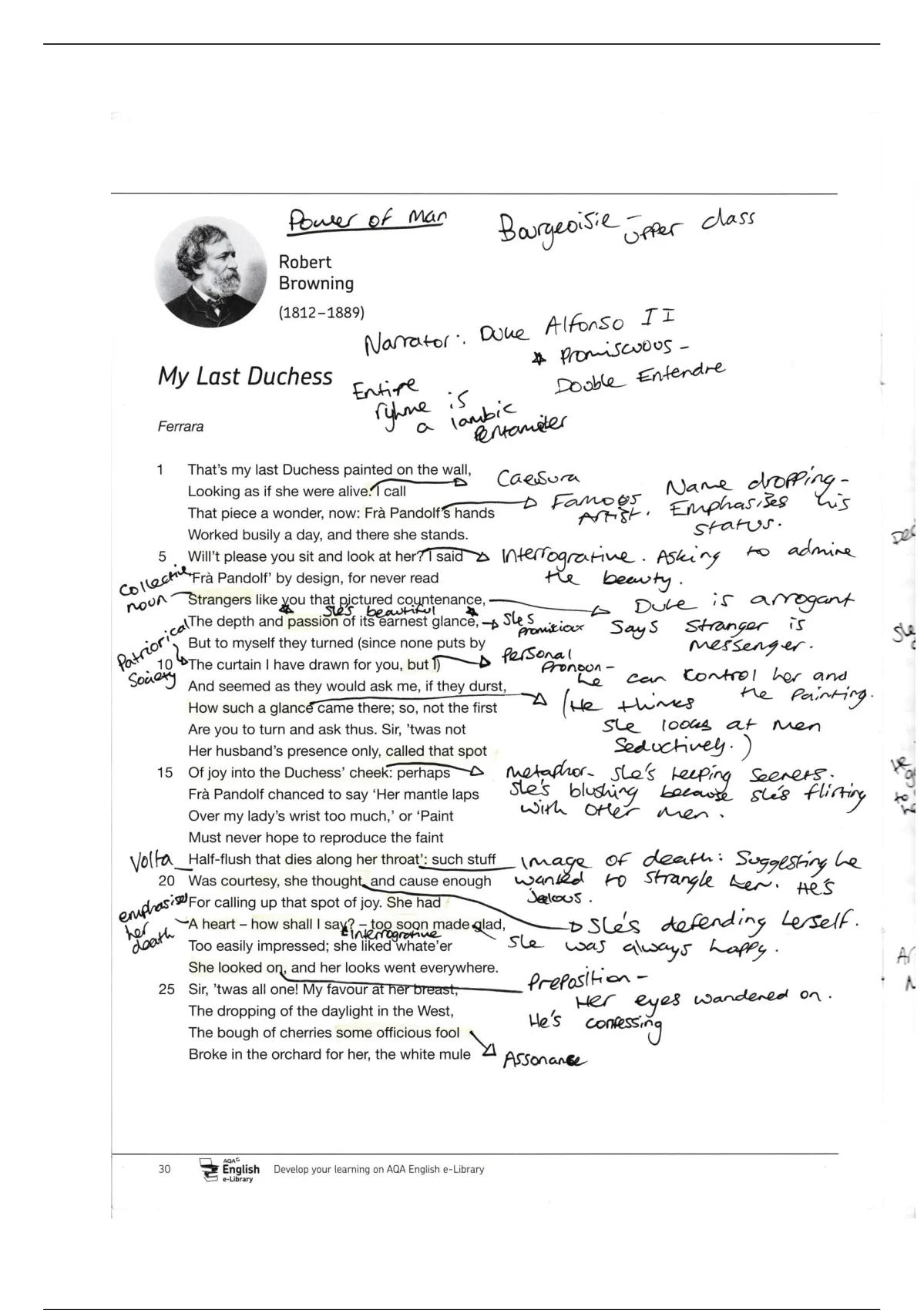
The depth and passion of its earnest glance, But to myself they turned (since none puts by. The curtain I have drawn for you, but I) And seemed as they would ask me, if they durst, How such a glance came there; so, not the first. Are you to turn and ask thus. Sir, 'twas not.
My Last Duchess Gcse english literature, English literature notes, English literature poems

Summary. ' My Last Duchess ' by Robert Browning ( Bio | Poems) is a chilling poem about the value of women in a duke's life. In the first lines of the poem, the speaker tells the reader that an emissary is visiting who is trying to negotiate a new marriage for the Duke. He also describes how he was recently married, inspired by a portrait.
My Last Duchess Teaching Resources

A summary of "My Last Duchess" (1842) in Robert Browning's Robert Browning's Poetry. Learn exactly what happened in this chapter, scene, or section of Robert Browning's Poetry and what it means. Perfect for acing essays, tests, and quizzes, as well as for writing lesson plans.
My Last Duchess Analysis Poem analysis, English literature poems, Gcse english literature

ROBERT BROWNING My Last Duchess 1103 —-1 —0 —+1 ROBERT BROWNING My Last Duchess Ferrara 3 That's my last Duchess painted on the wall, Looking as if she were alive. I call. tiated through an agent (this poem's auditor) for the hand of the niece of the count of Tyrol in Austria. 4. Frà Pandolf is, like Claus (line 56), fi ctitious.
My Last Duchess Gcse poems, English literature notes, Aqa english literature

With tooth and nail to save my niche, ye know: — Old Gandolf cozened me, despite my care; Shrewd was that snatch from out the corner South He graced his carrion with. God curse the same! Yet still my niche is not so cramped but thence 20 One sees the pulpit o' the epistle-side, And somewhat of the choir, those silent seats,
My Last Duchess (1842) English Literature A LEVEL
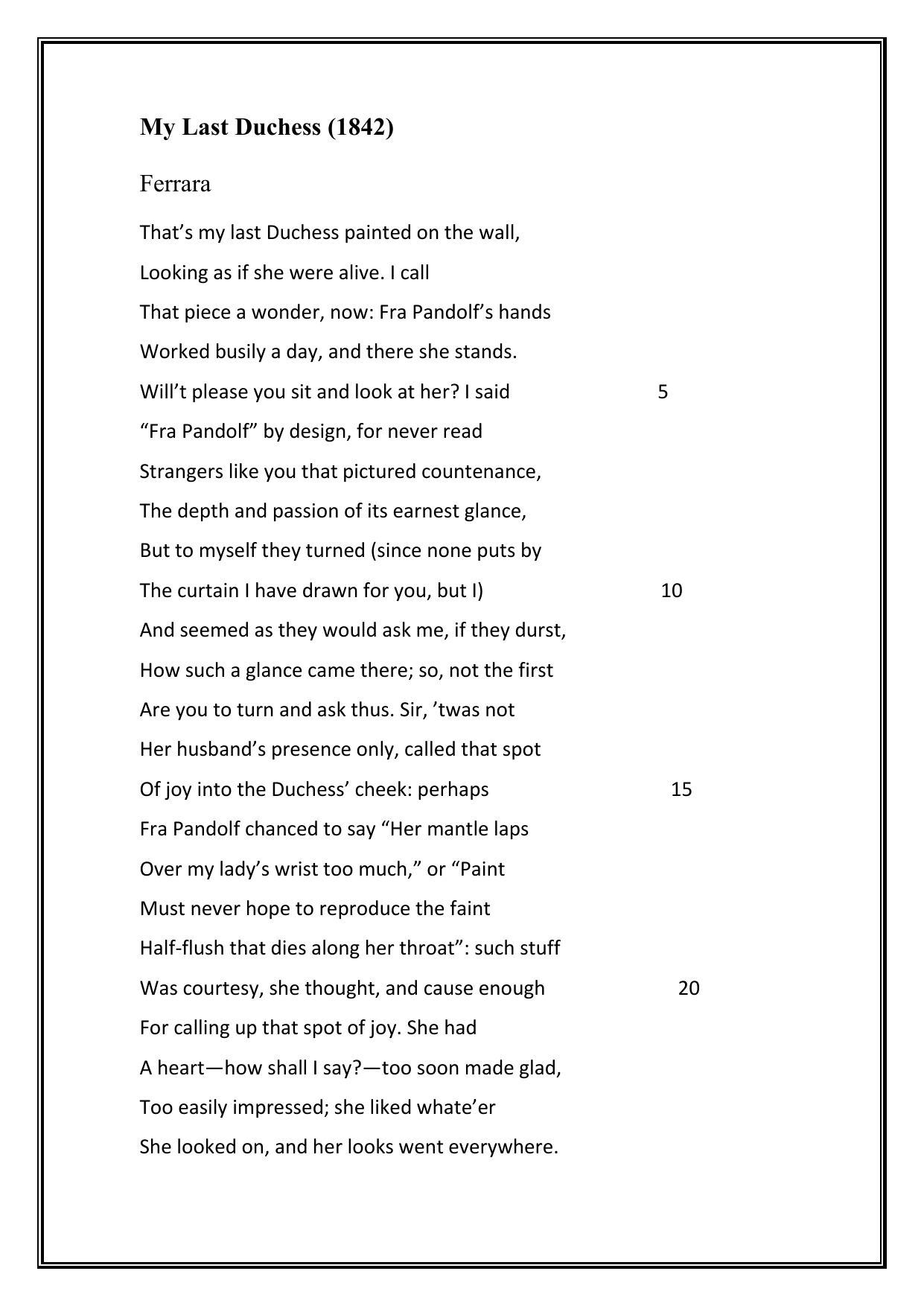
By Robert Browning. FERRARA. That's my last Duchess painted on the wall, Looking as if she were alive. I call. That piece a wonder, now; Fra Pandolf's hands. Worked busily a day, and there she stands. Will't please you sit and look at her? I said.
A Student's Reflections
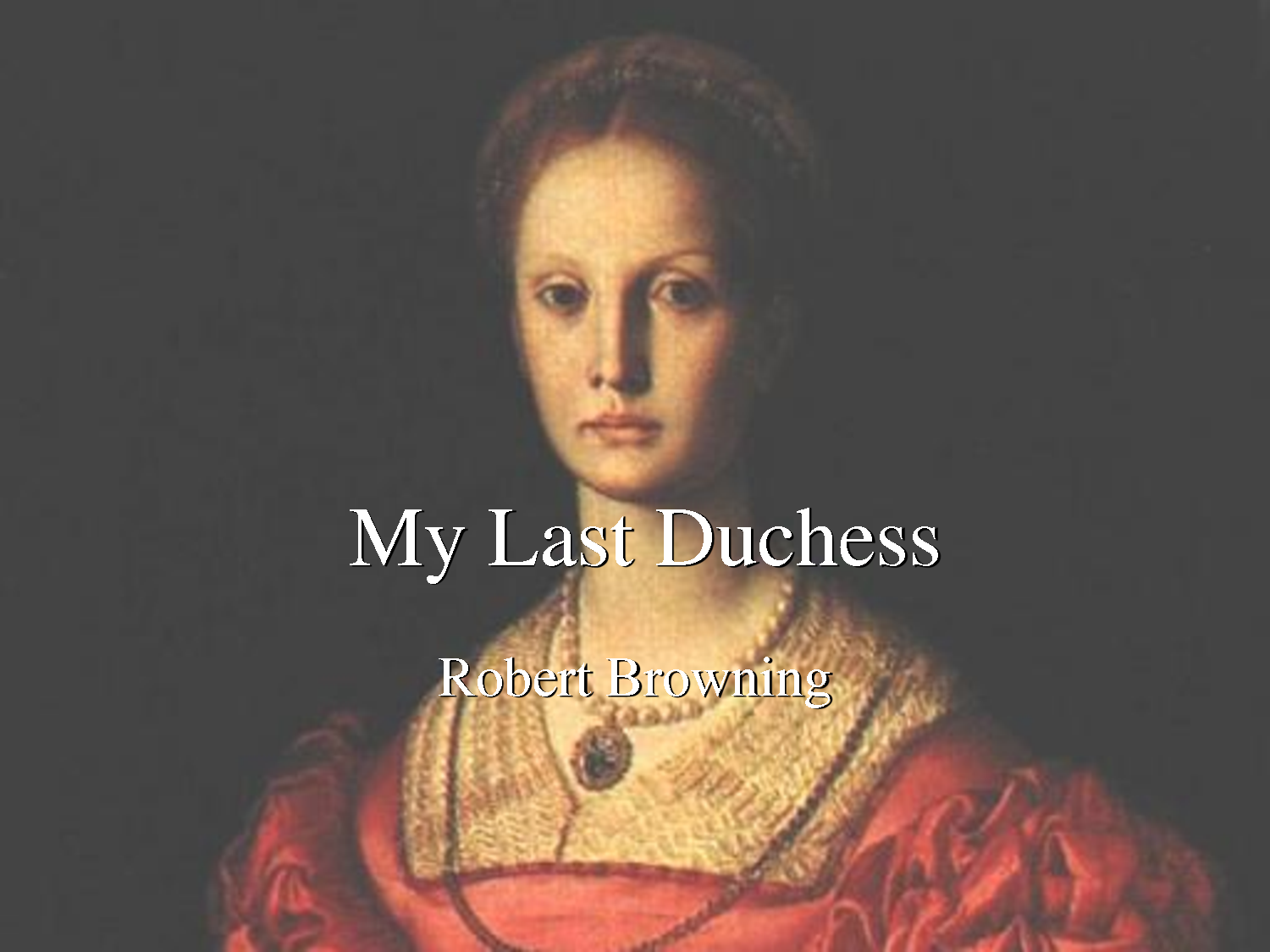
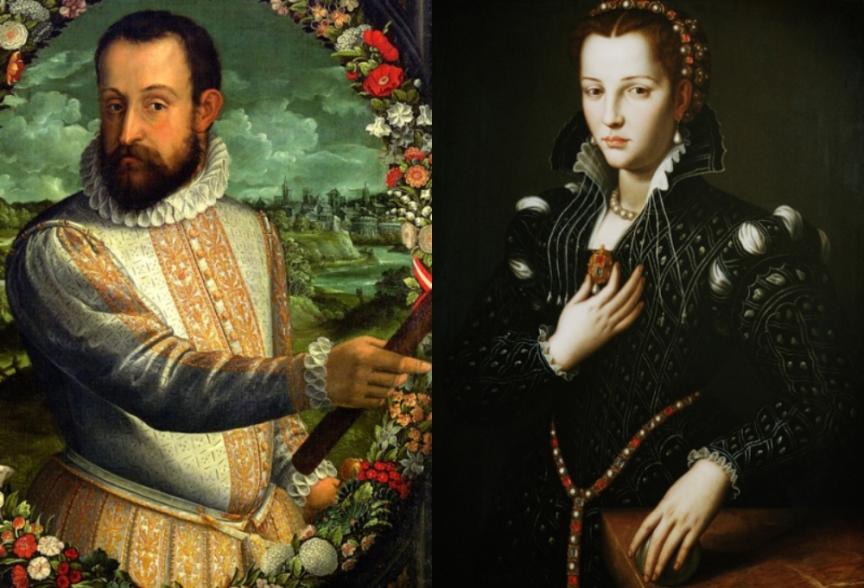
My Last Duchess. Robert Browning. The poem is based on the real life events from the life of Duke Alfonso II of Ferrara, Italy. Duke Alfonso married 14 year old Lucrezia de' Medici who died aged 17, only three years after he married her. Lucrezia died in suspicious circumstances and the theory is that she might have been poisoned.
My Last Duchess" is a poem by Robert Browning, frequently anthologized as an example of the

My last duchess, and other poems by Browning, Robert. Publication date 1993 Publisher New York : Dover Publications Collection inlibrary; printdisabled; internetarchivebooks Contributor Internet Archive Language English.. 14 day loan required to access EPUB and PDF files. IN COLLECTIONS
My Last Duchess Irony Poetry

"My Last Duchess" is a dramatic monologue in which the Duke of Ferrara tells the messenger of his potential wife's family about his previous wife, the "last" duchess of the poem's title. Using a painting of that former duchess as a conversation piece, he describes what he saw as her unfaithfulness, frivolity, and stubbornness, and.
My Last Duchess Metre (Poetry) Jealousy

That's my last Duchess painted on the wall, Looking as if she were alive. I call That piece a wonder, now: Fra Pandolf's hands Worked busily a day, and there she stands. Will 't please you sit and look at.
🐈 My last duchess interpretation. My Last Duchess. 20221029

Notice how throughout the poem the Duke reaffirms this, and how Browning sets the Duke's jealousy and reputation against the suspected promiscuity of his last Duchess. — Wesley, Owl Eyes Editor Browning utilizes a poetic device called verbal irony in this selection to demonstrate how the Duke conveys a meaning that is the opposite of the.
GCSE Poem analysis My Last Duchess by Robert Browning
The curtain I have drawn for you, but I) And seemed as they would ask me, if they durst, How such a glance came there; so, not the first. Are you to turn and ask thus. Sir, 't was not. Her husband's presence only, called that spot. Of joy into the Duchess' cheek: perhaps. Frà Pandolf chanced to say, 'Her mantle laps.
Fully Annotated Poem My Last Duchess AQA Power and Conflict Poetry Stuvia UK
My Last Duchess. The poem is set in a time and a place (the Italian resistance) when art was heavily valued within society. Browning was interested in this time period and results in the focus of the poem being the Duke's artwork; specifically the portrait he had made of his, now dead, first wife. The love displayed in the poem is intensely.
My Last Duchess by Robert Browning The Scrbbly Blog
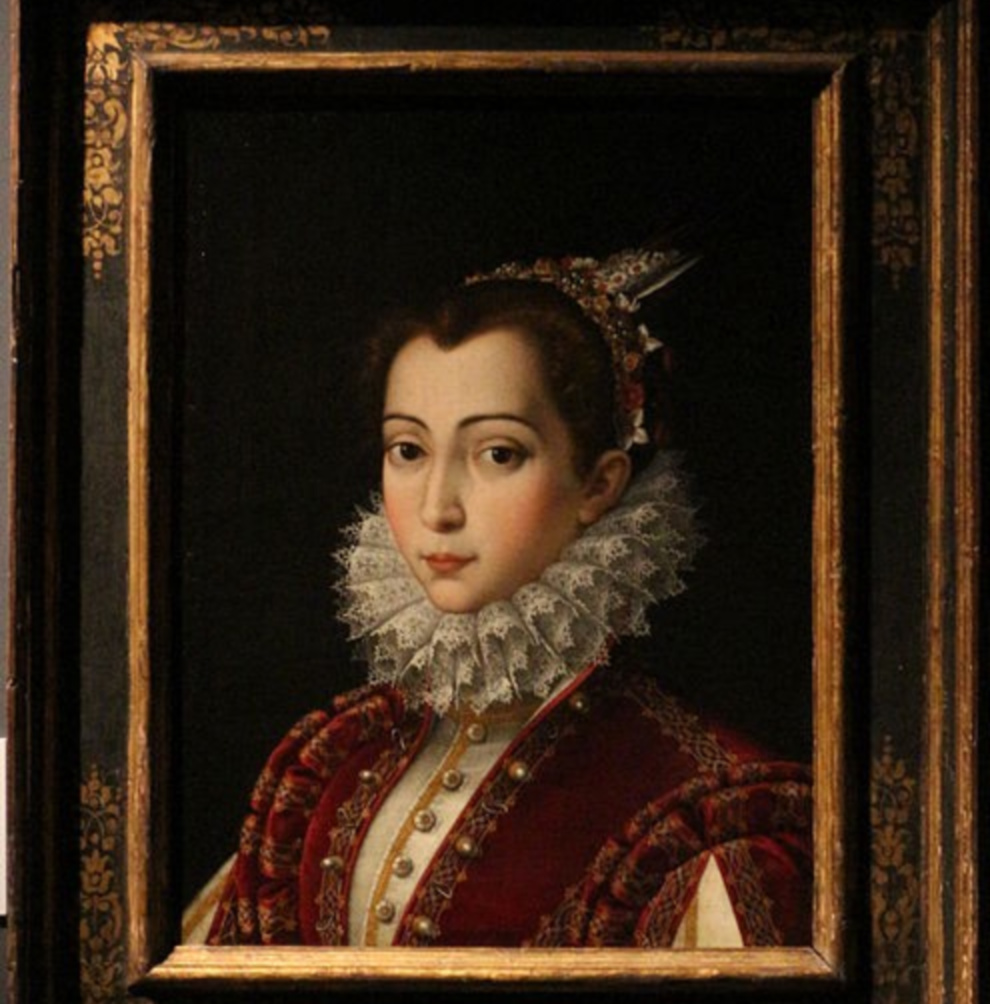
1] First published in Dramatic Lyrics, 1842; given its present title in 1849 (Dramatic Romances and Lyrics). The emphasis in the title is on last, as the ending of the poem makes clear; the Duke is now negotiating for his next Duchess.Fra Pandolf (line 3) and Claus of Innsbruck (line 54) are artists of Browning's own invention.Title: emphasizing the word Last as the ending of the poem implies.
My Last Duchess Poem by Robert Browning Poster Print Etsy UK

Robert Browning (1812-1899) was a master of the dramatic monologue, and "My Last Duchess" is one of his most famous and most anthologized poem. The poem first appeared in 1842 in
My_Last_Duchess_Annotated_Poem

Learn More. "My Last Duchess" is a dramatic monologue written by Victorian poet Robert Browning in 1842. In the poem, the Duke of Ferrara uses a painting of his former wife as a conversation piece. The Duke speaks about his former wife's perceived inadequacies to a representative of the family of his bride-to-be, revealing his obsession.