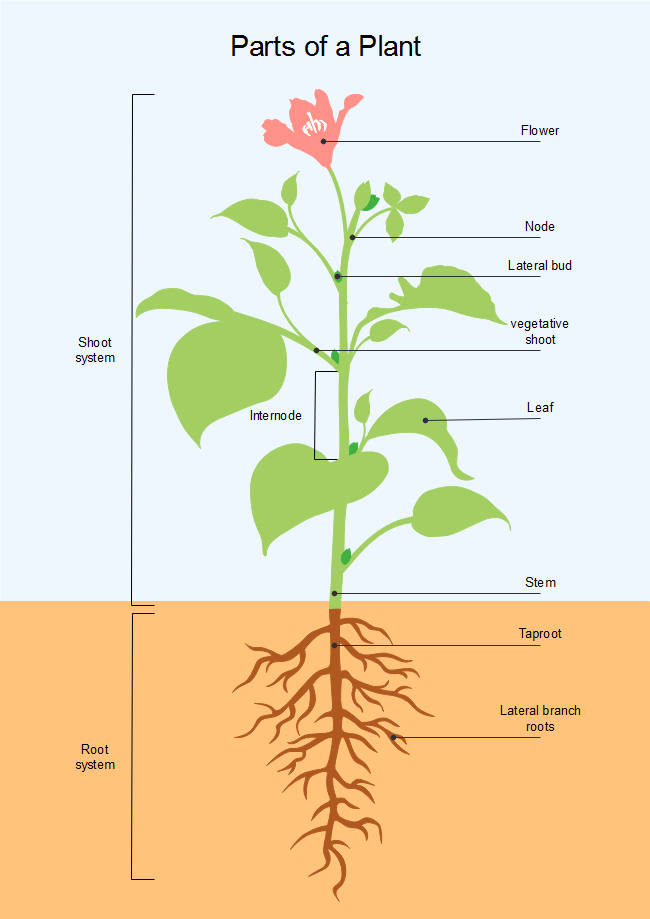
Draw a diagram of a complete plant and label it's parts . Write functions of any two parts

Distinguishing characteristics of a plant cell are its cell wall, chloroplasts, and large vacuole. A plant cell is the basic building block of a plant. Plant cells, like all eukaryotic cells, contain a nucleus and other organelles, each with its distinct functions. However, plant cells also possess unique components that differentiate them from.
Free Parts of a Plant Activity Sheet BookLife

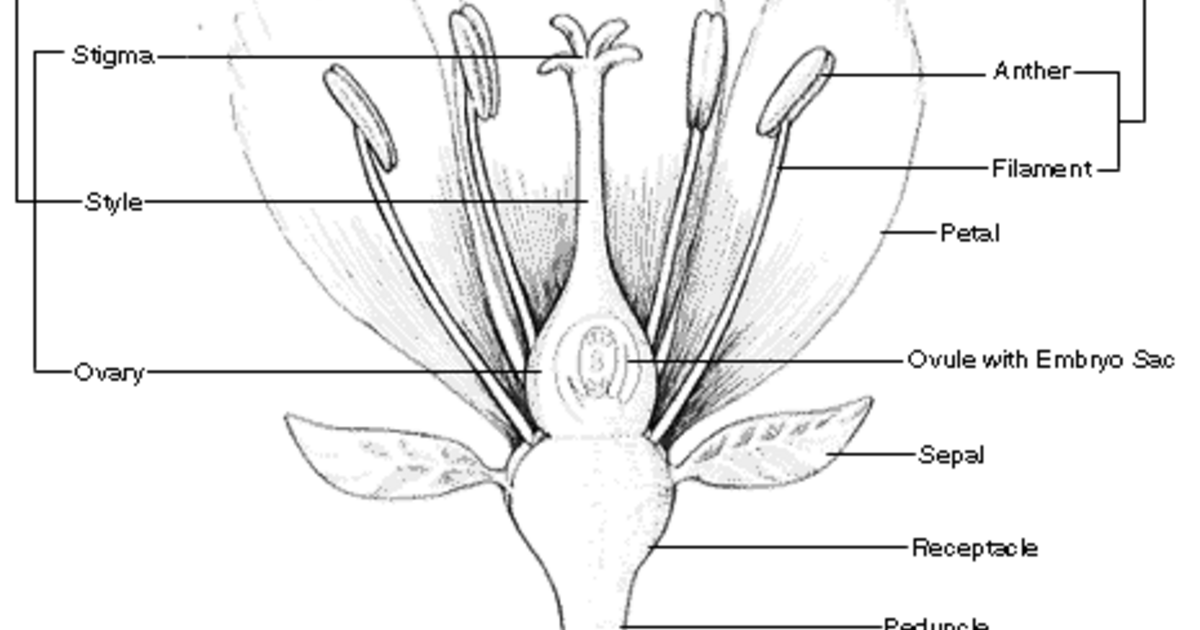
Peduncle: The stalk of a flower. Receptacle: The part of a flower stalk where the parts of the flower are attached. Sepal: The outer parts of the flower (often green and leaf-like) that enclose a developing bud. Petal: The parts of a flower that are often conspicuously colored. Stamen: The pollen producing part of a flower, usually with a slender filament supporting the anther.
Parts of Plant Free Parts of Plant Templates
Learn about the parts of a plant - the roots, the stem, the leaves and the petals - with this video. Test what you've learned with the quiz below.
Labeling Flowers, Stems, Leaves, and Roots K5 Computer Lab Technology Lessons
Stems. The stem is the central part of the plant. It is the midsection between the roots and the leaves or flowers, and its main function is to carry moisture and nutrients from the roots to the rest of the plant. There are different types of cells within the stem that perform their own functions. The xylem cells transport water from root to.
“ALL ABOUT PLANTS” LET'S HAVE FUN!

Selecting or hovering over a box will highlight each area in the diagram. Flowers are how most plants produce seeds. In this interactive, you can label the flower parts. Use your mouse or finger to hover over a box to highlight the flower part to be named. Drag and drop the text labels onto the boxes next to the main parts of the flower.
Name
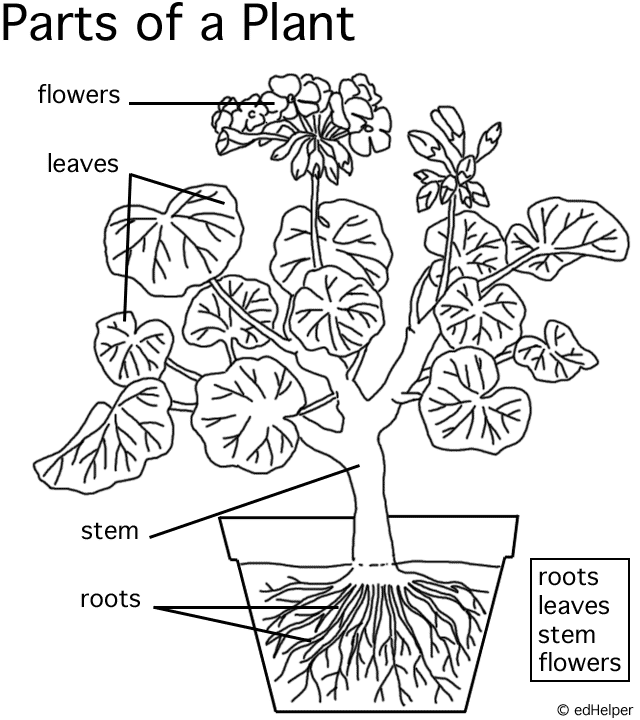
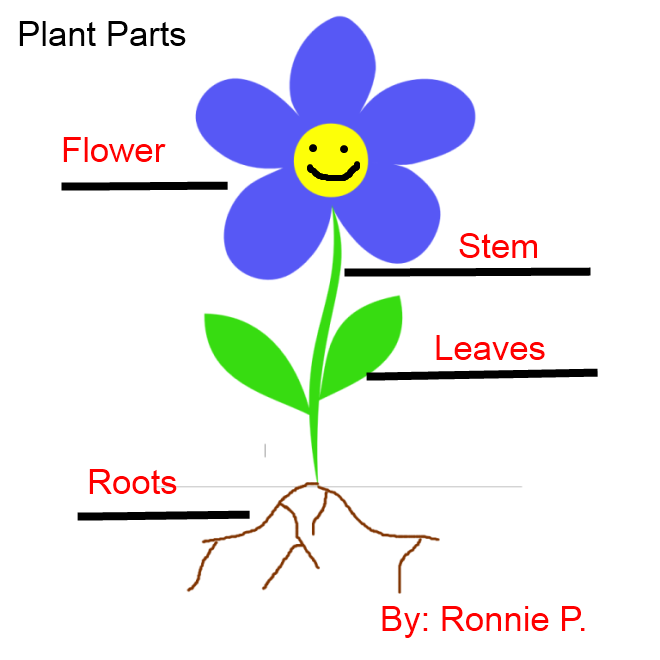
This worksheet has a picture of a plant. Students label all of the plant parts - roots, stem, flower, and leaves. This printable features a picture of a plant with labels and definitions for students to cut out and glue in the correct space. This color printable shows the basic parts of a plant.
Parts of Flowering Plants
The main parts of the flower are the male and female parts, as well as the portions that attract pollinators and support the flower and seed development. A flower is the reproductive structure of an angiosperm or flowering plant. Each of the parts of a flower has a unique function that contributes to the plant's successful reproduction.
Label the different parts of the plant given below

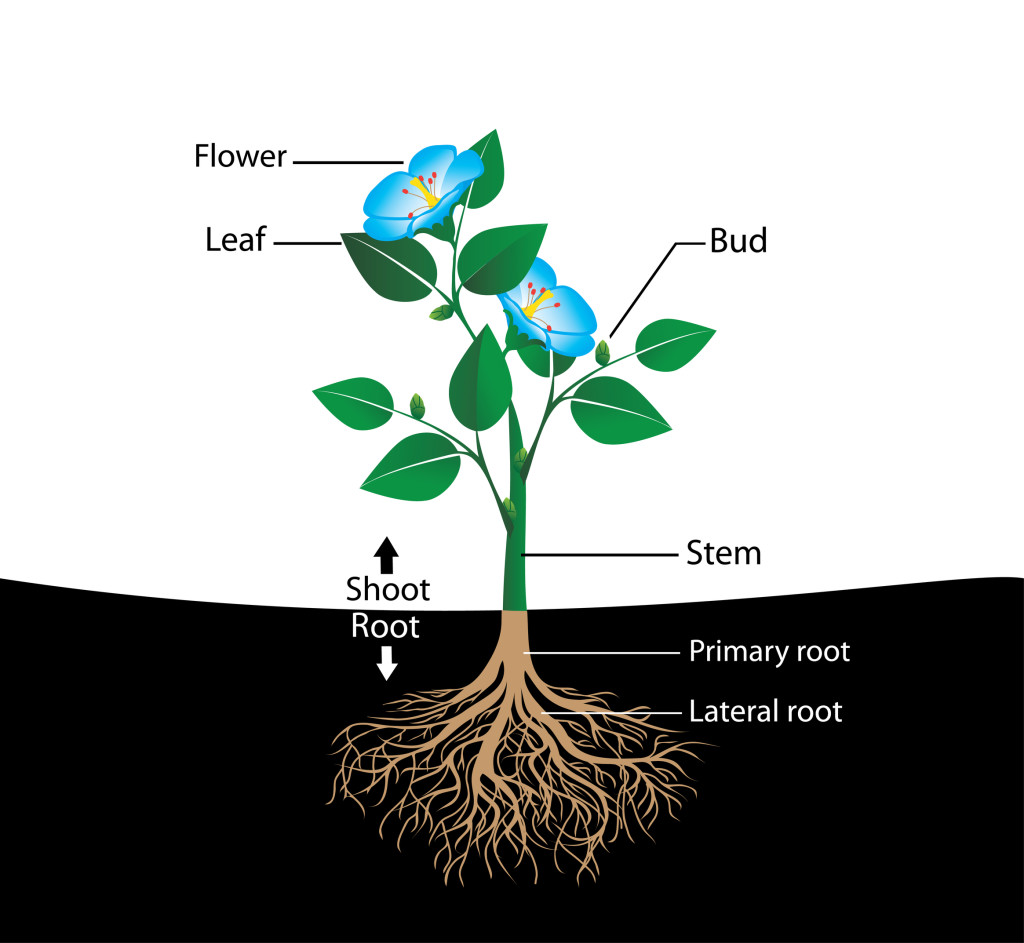
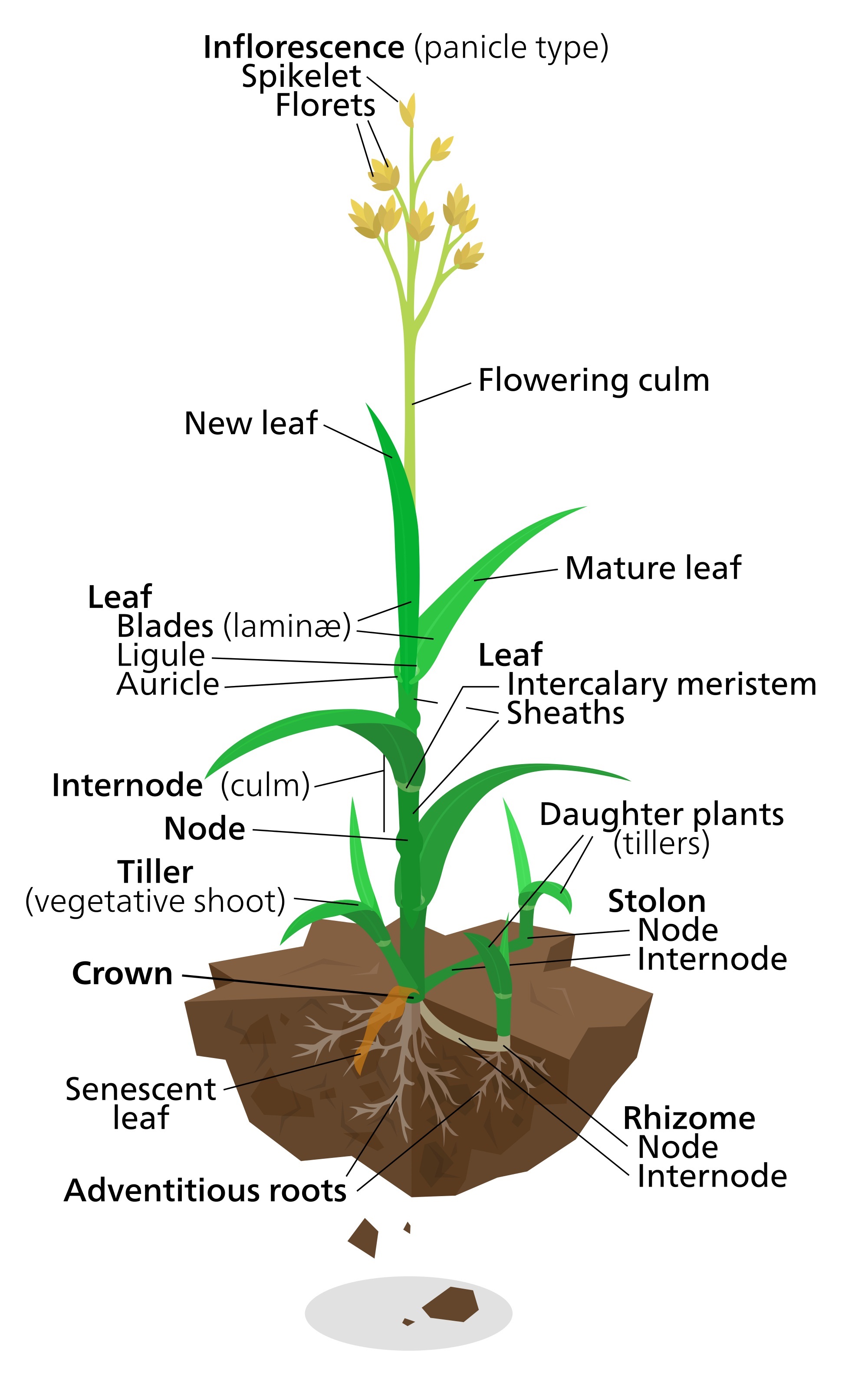
A typical diagram of a plant body consists of three parts: 1) roots, 2) stems, and 3) leaves, each having specialized functions. Apart from these basic parts, a flowering plant also contains 4) flowers and 5) fruits. The root system covers the underground parts of a plant, which include the roots, tubers, and rhizomes, whereas the shoot system.
Plants Structure and functions

Figure 3.1.2.1 3.1.2. 1 ): This figure show the major organelles and other cell components of a typical eukaryotic plant cell. The plant cell has a cell wall, chloroplasts, plastids, and a central vacuole—structures not in animal cells. Most cells do not have lysosomes or centrosomes.
Diagrams of a Plant 101 Diagrams
Teacher Notes. You could get pupils to draw a diagram of a plant and label the different parts. Alternatively, you could print off pictures of different plants and get them to label the parts - e.
Parts of Plants Bluebirds Blog

Label and describe. These worksheets delve into the names and functions of the different parts of a plants. Plants: Worksheet #1 Worksheet #2. Seeds: Worksheet #3.
Label The Plant Parts Answer Parts of a plant, Plants, Plant bud

Leaves. Leaves are the mostly flat green parts of plants. The scientific word for the flat part of a leaf is lamina. It is also known as the leaf blade. The scientific word for the part of the leaf which attaches to the stem is petiole. It is also known as a leaf stalk ). Most, but not all, leaves have these parts.
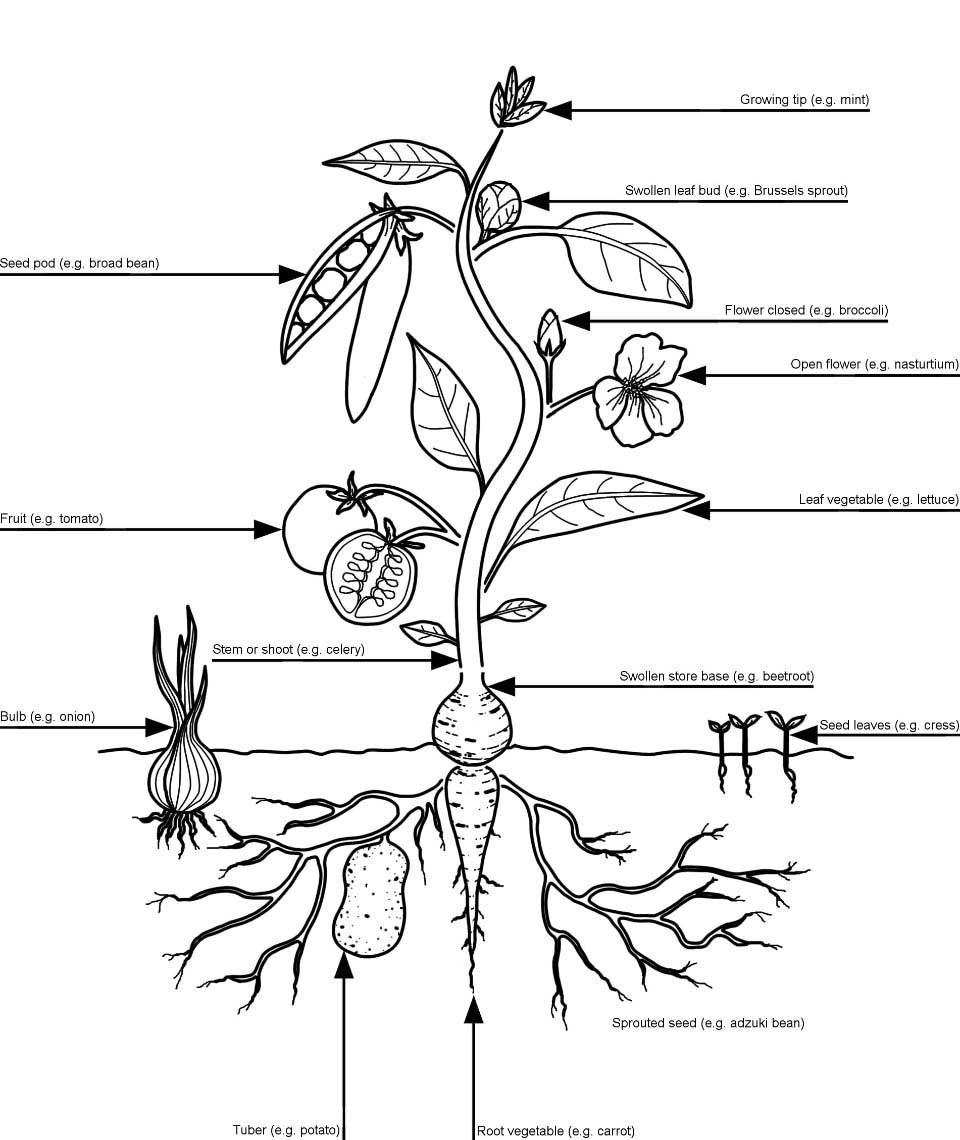
Edible parts of a plant / RHS Campaign for School Gardening
from the soil. The roots also keep the plant steady and upright in the soil. Stem. Carries water and nutrients to different parts of the plant. The stem of a tree is called its trunk. This often.
PartsofaPlantDiagram TED IELTS

The 4 parts of the flower involved in reproduction are the following: Sepals are the green leaves that protect the bud before it flowers. Stamen is the male flower part that has the pollen on it. Pistil is the female flower part that contains the stigma, style, pollen tube, and ovaries.
Parts of a plant Rabbitsabc

Support: Primary function of the stem is to hold up buds, flowers, leaves, and fruits to the plant. Along with the roots, a stem anchors the plants and helps them to stand upright and perpendicular to the ground. Transportation: It is the part which transports water and minerals from the root and prepared food from leaves to other parts of the.
Parts of a Flower An Illustrated Guide AMNH
Functions: Anchoring: The plant's roots attach it to the soil, providing stability and support. Absorption: They absorb water and minerals from the soil and transport them to various parts of the plant. Storage: Some plants store food and minerals in their roots, particularly during dormancy or under harsh conditions. More about Root.