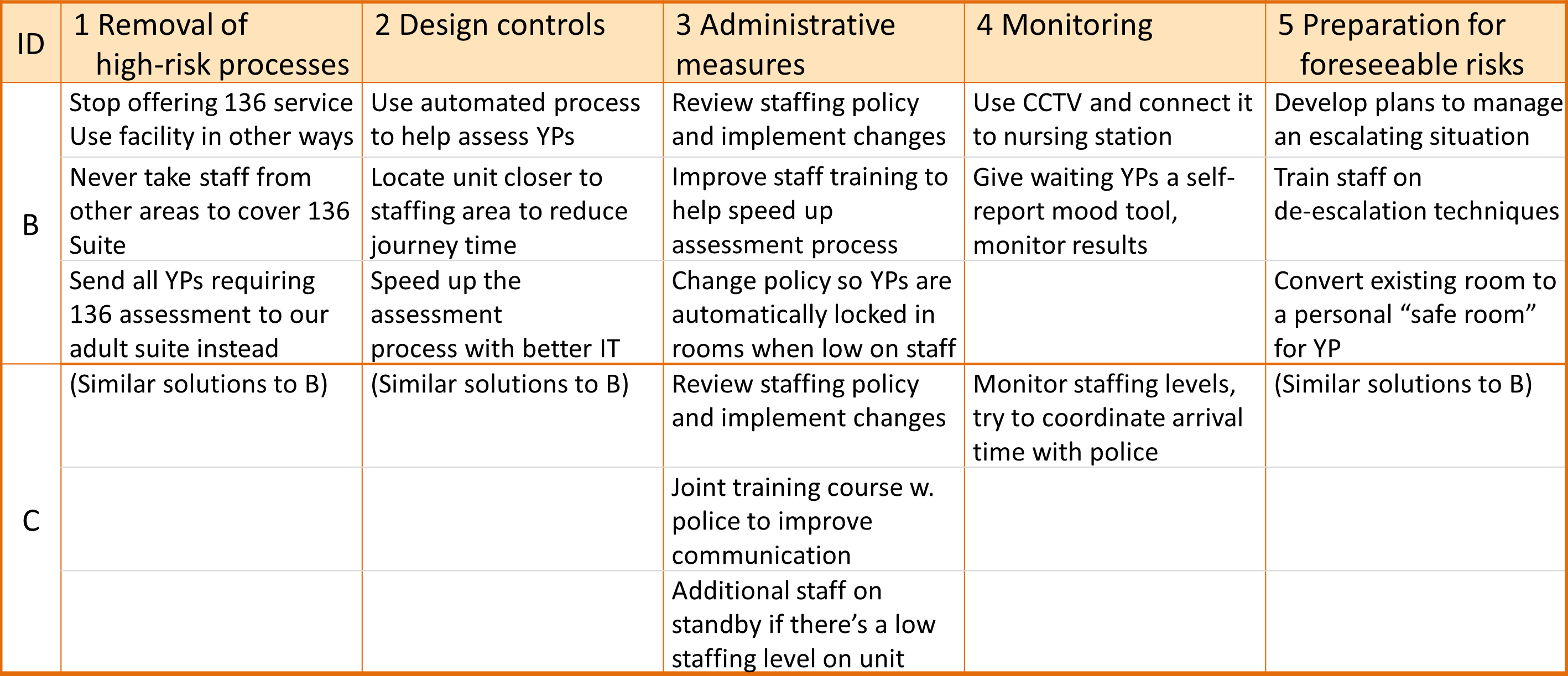
5 steps to Risk Assessment Step 3 Evaluate and control System Concepts Ltd. Making places

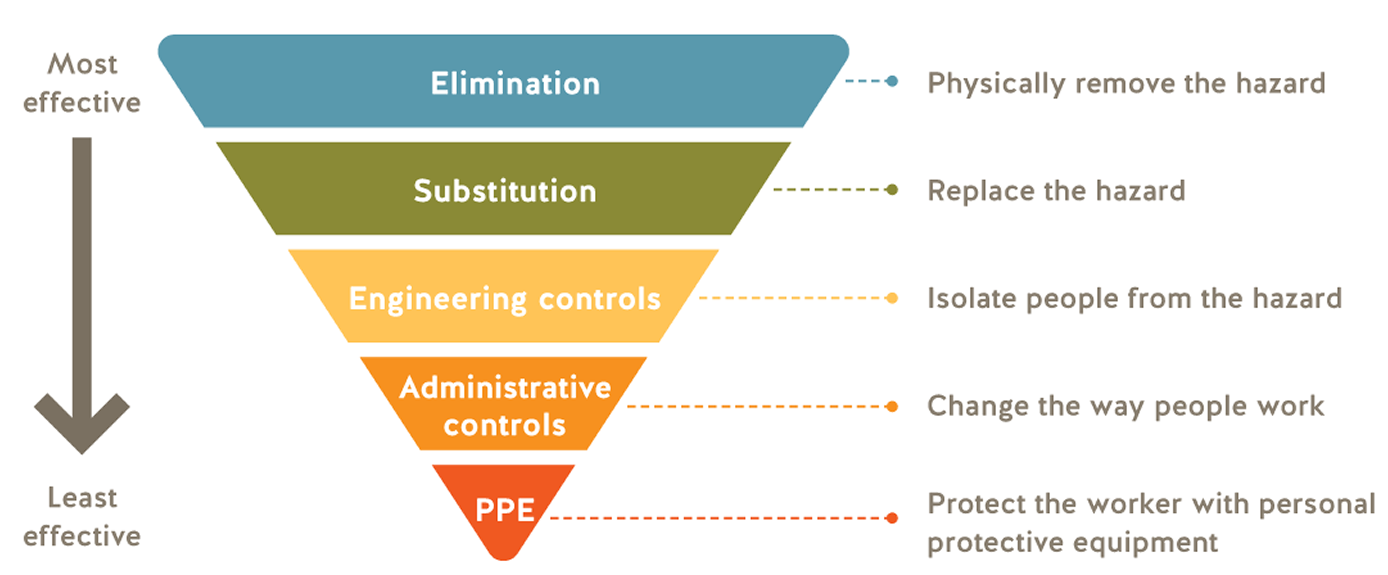
When a risk is identified, it is important to take action to reduce it as much as possible. For example, if there is clutter on the floor, it can be resolved by tidying up before commencing the activity. There may be times when it is safer to avoid the activity altogether. For example, if an individual is feeling unwell, it may be wiser to.
Propose actions
• the moving and handling risk assessment 3. identify any immediate risks to the individual 4. describe actions to take in relation to identified risks 5. describe what action should be taken if the individual's wishes conflict with their plan of care in relation to health and safety and their risk assessment 6.
There Are Risks And Costs To Action. But They Are Far Less Than The Long Range Risks Of
Describe actions to take in relation to identified risks. 3.5: Describe what action should be taken if the individual's wishes conflict with their plan of care in relation to health and safety and their risk assessment. 3.6: Prepare the immediate environment ensuring: • adequate space for the move in
Information Risk Management and Auditing EliteTec for Information Technology

3.1. Access up-to-date copies of risk assessment documentation. Carry out preparatory checks using: the individual's care plan • the moving and handling risk assessment. 3.3. Identify any immediate risks to the individual. 3.4. Describe actions to take in relation to identified risks. 3.5. Describe what action should be taken if the
The 5 Step Process to Risk Assessment Livius Training
Key elements should include: a statement of the organisation's commitment to managing the risks associated with moving and handling people and loads. details of who is responsible for doing what. details of your risk assessment and action planning processes. a commitment to introduce measures to reduce the risk.
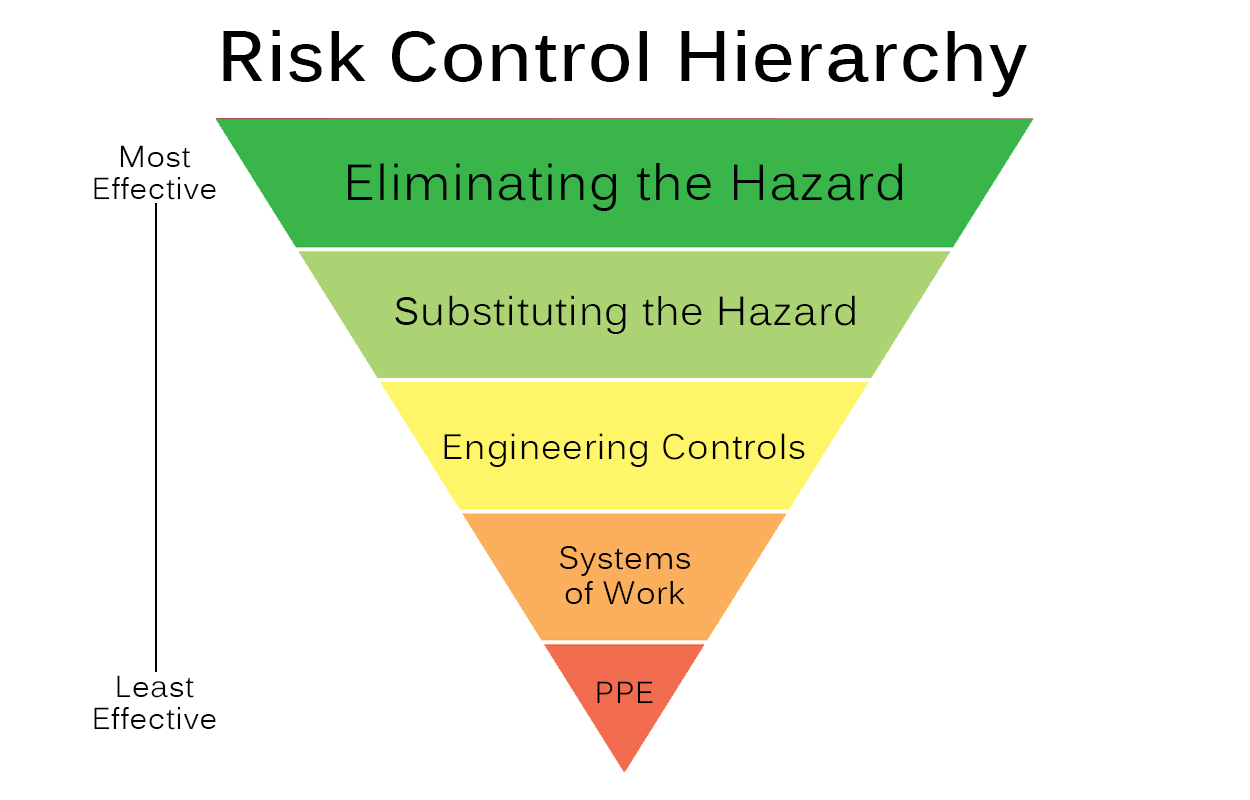
ENSIGN SAFETY WORKPLACE HAZARDS & CONTROL MEASURES

These guidelines should be read in conjunction with the Chair's foreword to understand how they might contribute to a wider debate on the police role in recognising, and responding to, vulnerability-related risk. These guidelines are underpinned by the Code of Ethics. and can be used in conjunction with other vulnerability-related initiatives.
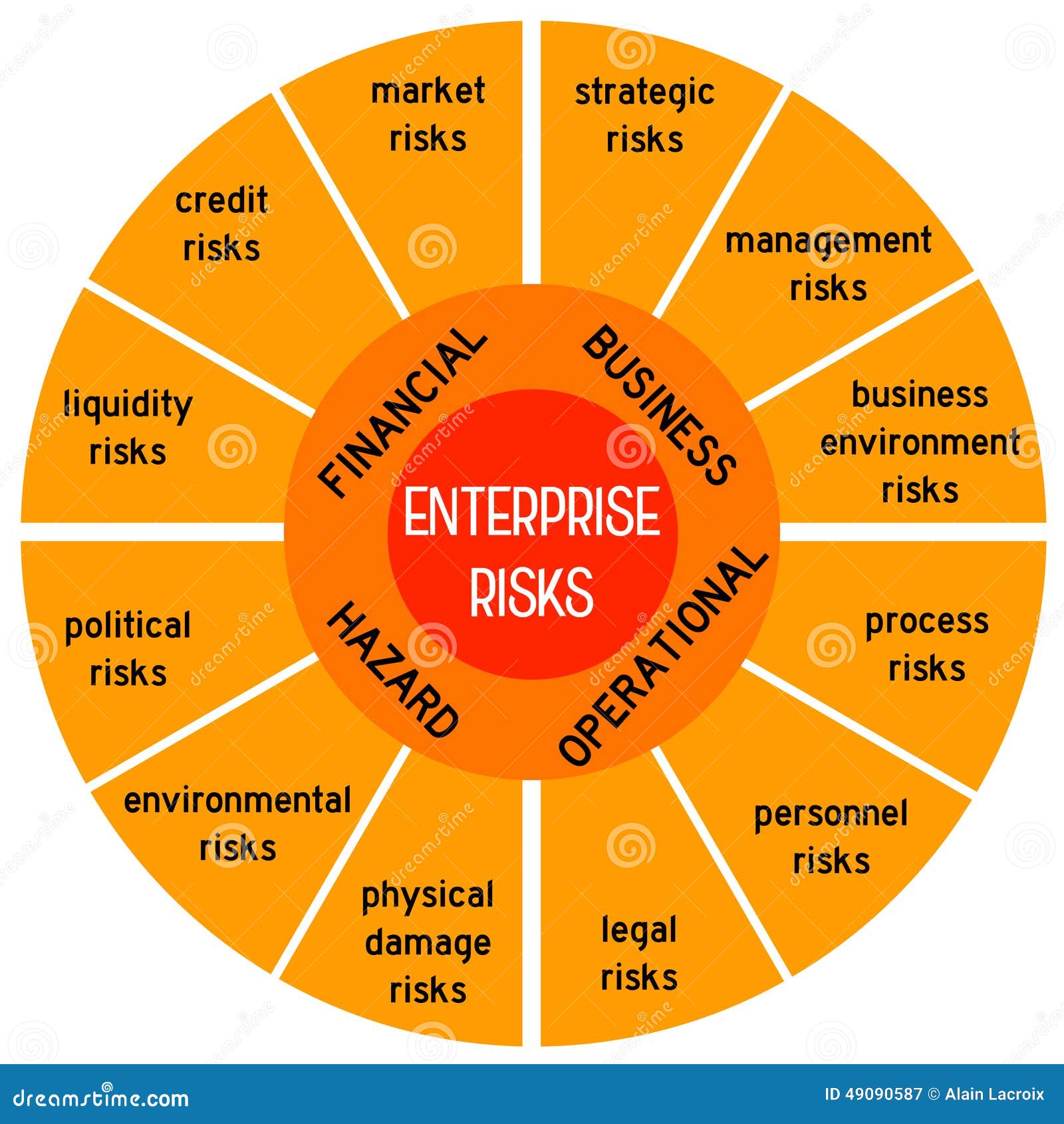
Business risk stock illustration. Illustration of evaluation 49090587
3.3 Describe the action to take in relation to identified risks . 3.4 Describe the action to take if the individual's wishes conflict with their care plan . 3.5 Prepare the environment ensuring: • adequate space for the move • potential hazards are removed
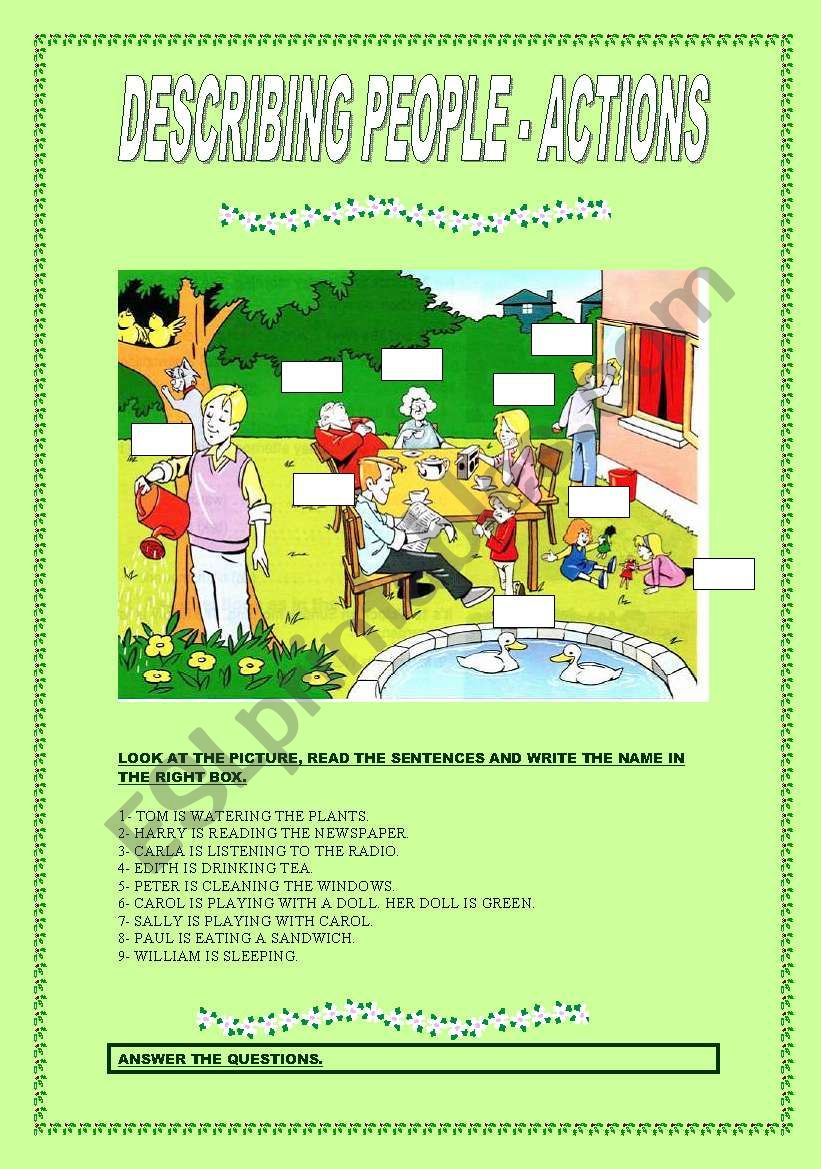
1. Look at the following pictures,2. Describe what the people or children are doing in each

handling risk assessment 3.3 Identify any immediate risks to the individual 3.4 Describe actions to take in relation to identified risks 3.5 Describe what action should be taken if the individual's wishes conflict with their plan of care in relation to health and safety and their risk assessment
Controlling risks WorkSafeBC
the moving and handling risk assessment. 3.2. Identify any immediate risks to the individual. 3.3. Describe the action to take in relation to identified risks. 3.4. Describe the action to take if the individual's wishes conflict with their care plan. 3.5. Prepare the environment ensuring: adequate space for the move.
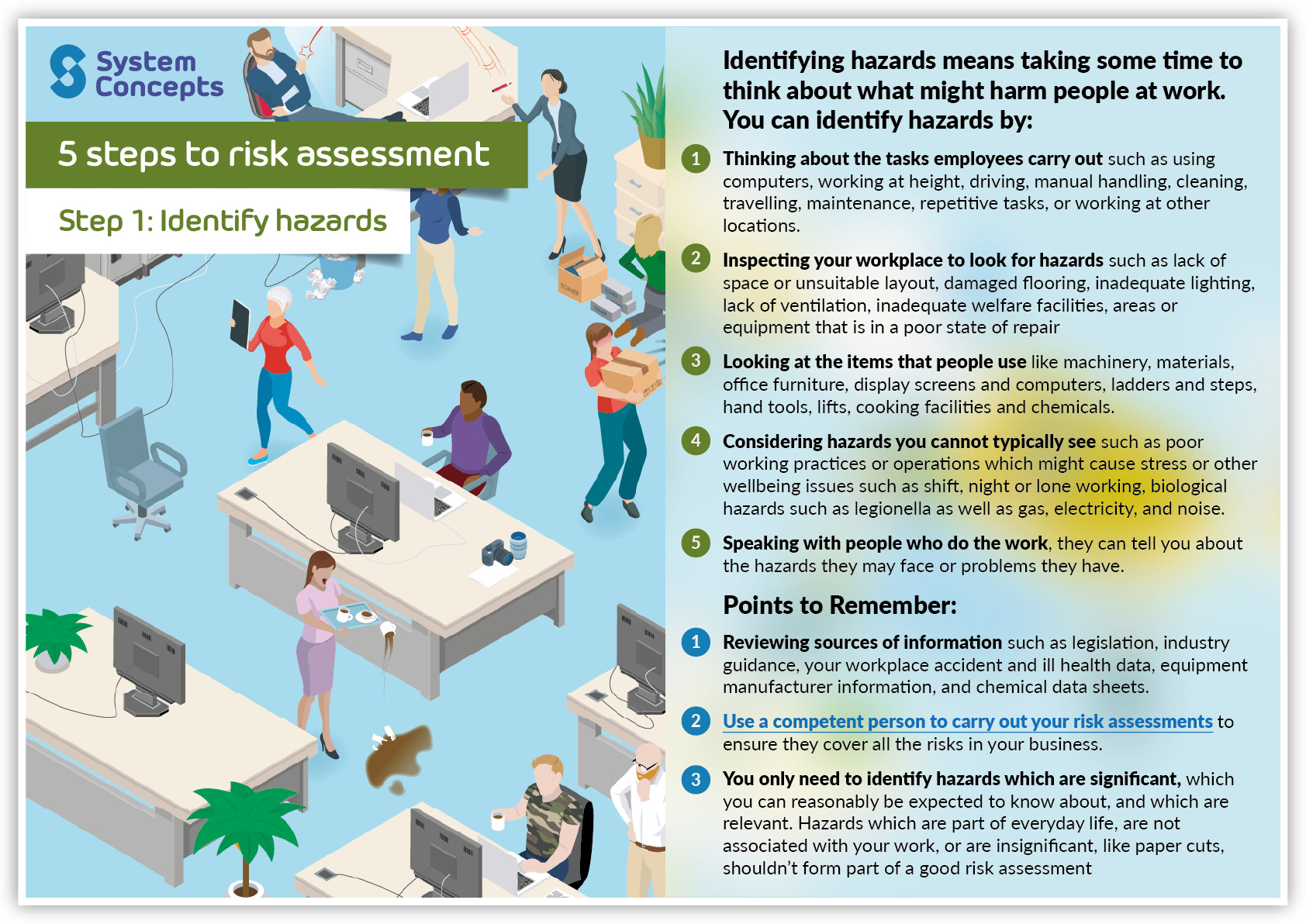
5 steps to Risk Assessment Step 1 Identify Hazards System Concepts Ltd. Making places
3.1 Access up-to-date copies of risk assessment documentation 3.2 Carry out preparatory checks using: a the individual's care plan b the moving and handling risk assessment 3.3 Identify any immediate risks to the individual 3.4 Describe actions to take in relation to identified risks 3.5 Describe what action should be taken if the
DESCRIBING PEOPLE ACTIONS ESL worksheet by ag23
The risk assessment process has four distinctive and sequential stages, and social care practitioners should go through each of them with the individual. Understanding the person's circumstances. Identifying risks. Assessing impact and likelihood of risks. Managing risks - risk enablement and planning.
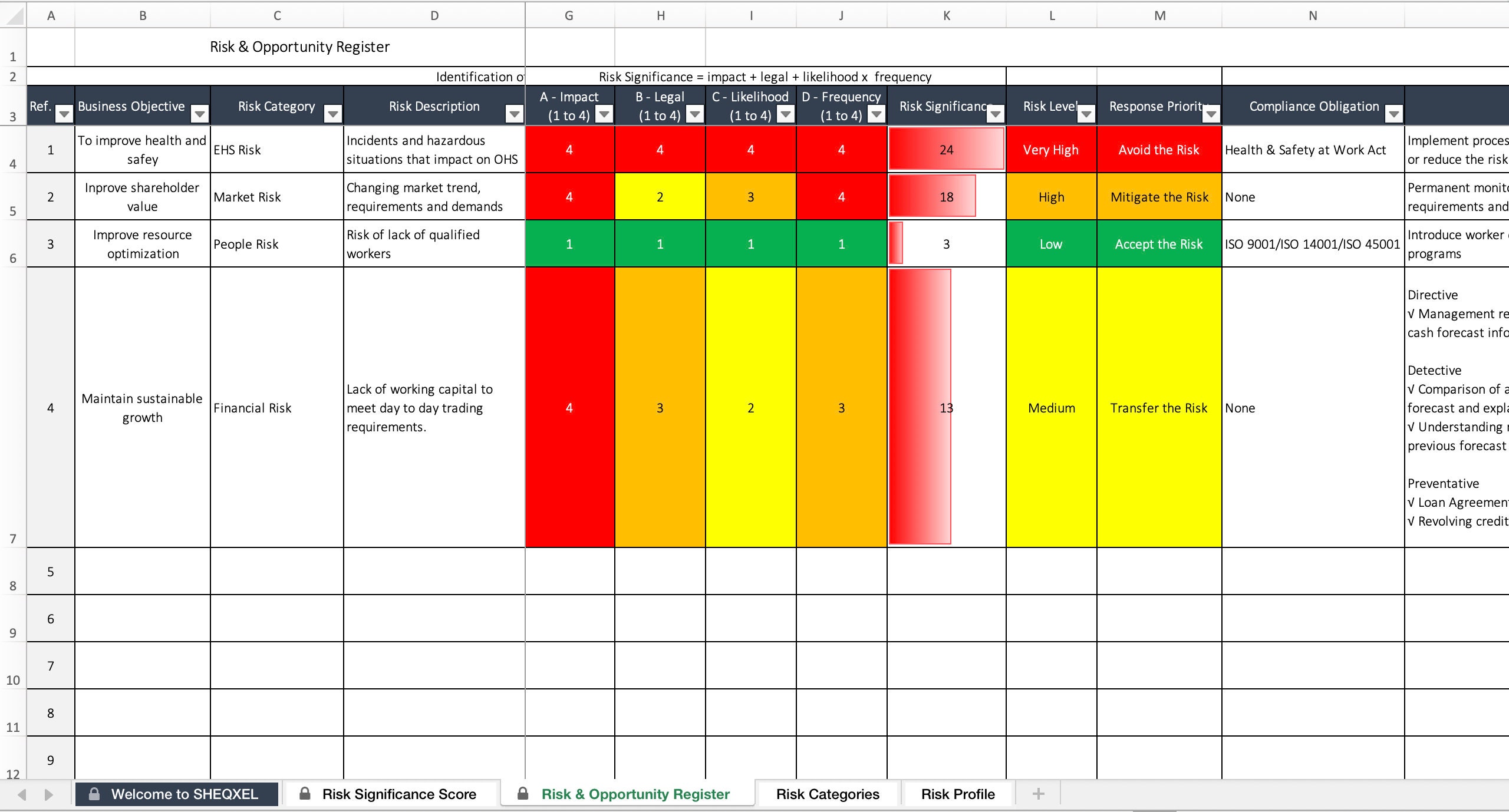
Risk and Opportunity Register Health and Safety Template Etsy
identify what could cause injury or illness in your business (hazards) decide how likely it is that someone could be harmed and how seriously (the risk) take action to eliminate the hazard, or if this isn't possible, control the risk; Assessing risk is just one part of the overall process used to control risks in your workplace. For most small.
A Risk Manager's Approach to Cyber Security Compass Cyber Security
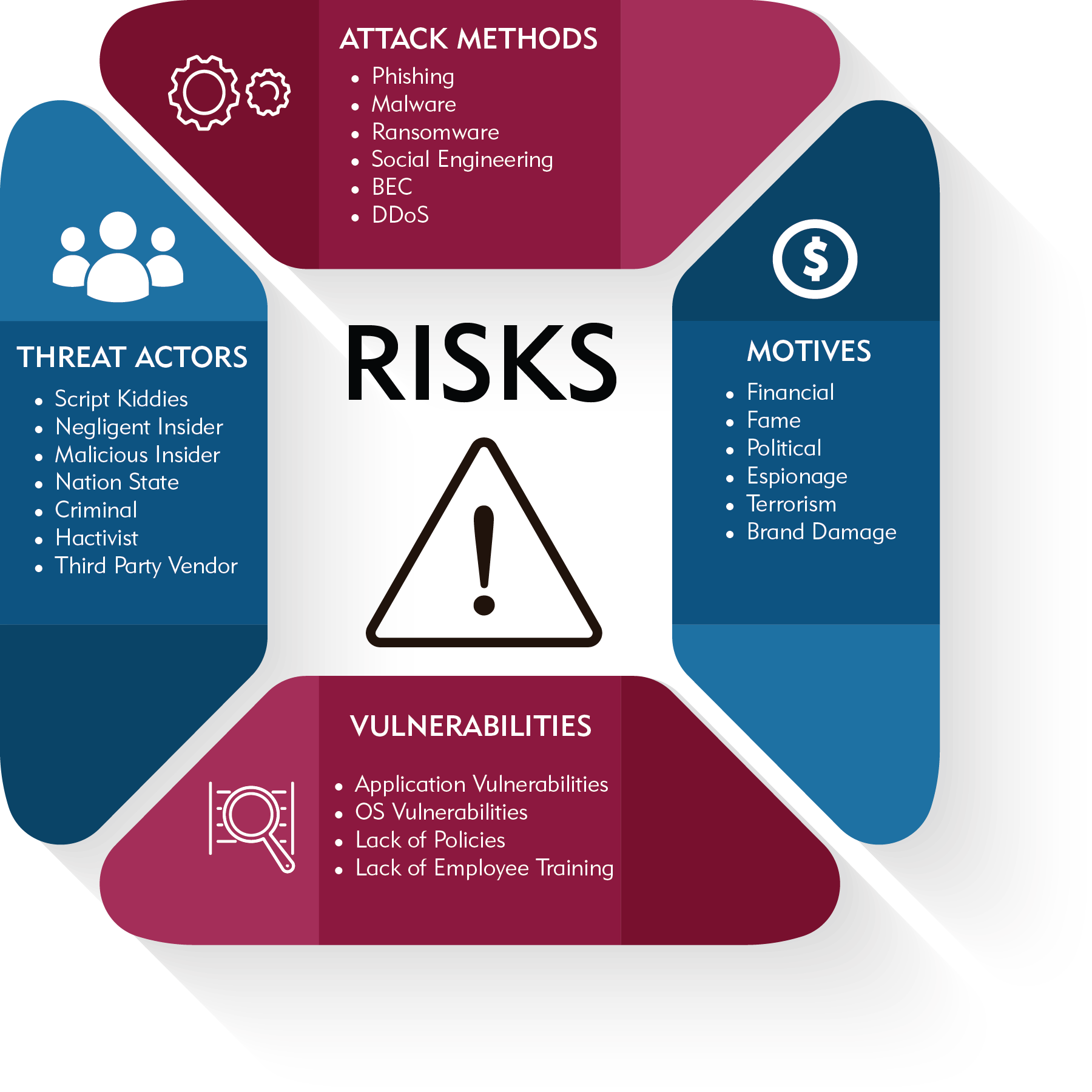
Assess the risks. Once you have identified the hazards, decide how likely it is that someone could be harmed and how serious it could be. This is assessing the level of risk. Decide: who might be harmed and how; what you're already doing to control the risks; what further action you need to take to control the risks; who needs to carry out the.
Action Potential Phases
:background_color(FFFFFF):format(jpeg)/images/library/14626/Action_potential_curve.jpg)
Risk assessments are very important as they form an integral part of an occupational health and safety management plan. They help to: Create awareness of hazards and risk. Identify who may be at risk (e.g., employees, cleaners, visitors, contractors, the public, etc.). Determine whether a control program is required for a particular hazard.
Five Steps in Risk Management Process Everything You Need To Know
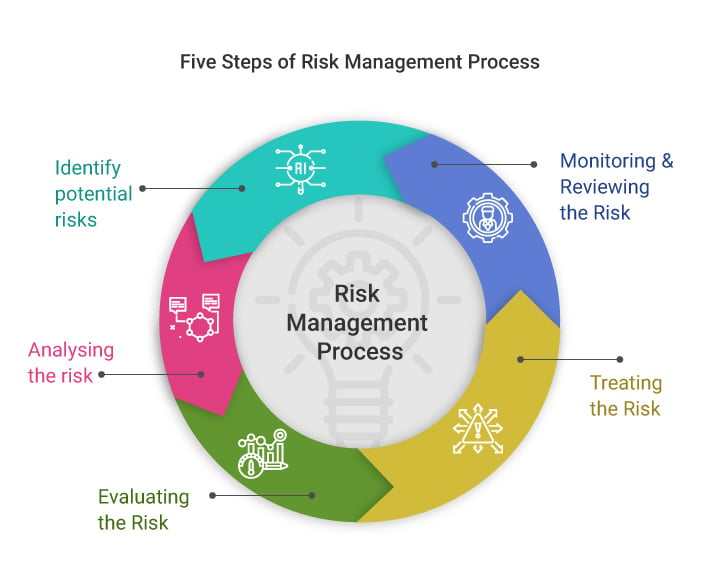
Step 1 - Identify hazards. Hazards are things and situations that could harm a person. Find out what could cause harm in your workplace. Step 2 - Assess risks. Undertake a risk assessment to identify the hazards in your workplace, which may cause harm (death, injury, or illness). A risk assessment involves looking at what could happen if.
Essay on Success Comes To Those Who Take Risks LetterPile
This page is designed to answer the following questions: 13.2a Explain why it is important to assess the health and safety risks posed by particular work settings, situations or activities (Care Certificate, Standard 13: Health and safety); 13.2b Describe how and when to report health and safety risks that they have identified (Care Certificate, Standard 13: Health and safety)